
The Science of Core Stability: Why Pilates is More Than Just an Ab Workout
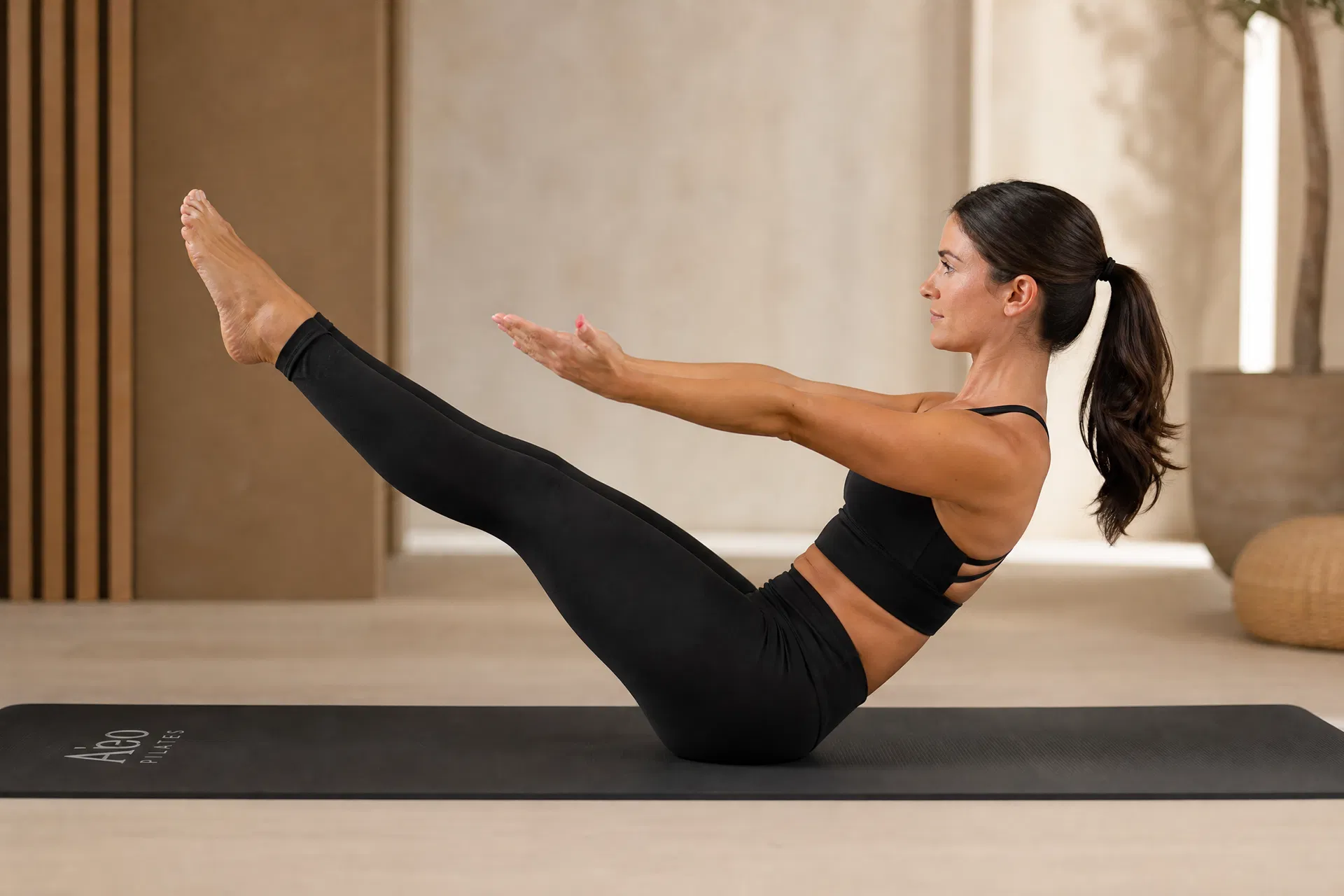
Core strength is a popular buzzword in the fitness world, but true core stability is about far more than just getting a six-pack. In classical and modern Pilates, we focus on building deep structural stability from the inside out.
Most traditional abdominal exercises target the superficial muscles like the rectus abdominis—the muscle responsible for the 'six-pack' look. While these muscles are important for flexing the spine, they do very little to support your posture or protect your lower back. Pilates, on the other hand, targets the deep stabilizers of the trunk, including the transverse abdominis, multifidus, pelvic floor, and diaphragm.
These deep muscles form a natural corset around your midsection. When they are properly conditioned, they support your spine, reduce pressure on your joints, and transfer power efficiently between your upper and lower body. This is why Pilates is so effective for relieving chronic lower back pain and improving overall athletic performance.
In a Rebel Pilates class, every movement is initiated from this deep center, which we often call the 'powerhouse.' By moving mindfully and maintaining alignment, you learn to stabilize your spine while moving your limbs. This neural conditioning translates directly into everyday life, helping you stand taller, sit comfortably, and move with ease and grace.